


Vision changes rarely show up in the same way in both eyes at once. You might bump into a door frame on your left side or miss a step completely. That uneven pattern often makes people wonder if something is wrong with just one eye.
Yes, glaucoma can affect one eye first, though it usually spreads to the other eye over time unless it stems from a separate, isolated cause like injury or inflammation. Uncover these changes early with routine eye exams before your daily routine feels the effects.
What Glaucoma in One Eye Really Means
Glaucoma tends to develop at different rates. One eye often experiences pressure changes and nerve damage faster than the other, especially in the early stages. This means your vision might feel sharper on one side, even if you haven’t noticed obvious symptoms yet.
Over time, most people with glaucoma see both eyes affected, even if one started out worse. The timeline varies from person to person, which is part of why regular exams matter so much.
However, some cases do stay limited to 1 side. Secondary glaucoma is linked to injury, inflammation, or certain medications. It can affect just the eye involved in the original issue, leaving the other one clear for years.
Spotting the Early Warning Signs
Peripheral vision is often affected first, so you might not notice anything wrong when looking straight ahead. The signs tend to show up in small, everyday moments. Watch out for these early indicators:
- Trouble with peripheral vision first
- Missing stairs or steps
- Difficulty reading road signs
Some symptoms show up fast and need same-day attention from an eye doctor. These point to a sudden spike in eye pressure, sometimes called angle-closure glaucoma, which puts your vision at risk if left unchecked. Seek immediate care if you notice any of these signs:
- Eye pain or headache
- Halos around bright lights
- Nausea with vision changes
What Causes Eye Pressure to Rise?
Your eye constantly produces and drains fluid to maintain its shape and pressure. Fluid builds up when the drainage system is blocked or slowed, causing pressure to rise inside the eye.
That pressure can press on the optic nerve, the pathway that carries visual signals to your brain. Damage to this nerve happens gradually, which explains why one eye can show more damage than the other.
Injury, inflammation, and steroid medication use can all push pressure higher in 1 eye. Tell your optometrist about past eye injuries or regular steroid drop use during your next exam. We can factor this information into your care plan.
How an Optometrist Checks for Glaucoma
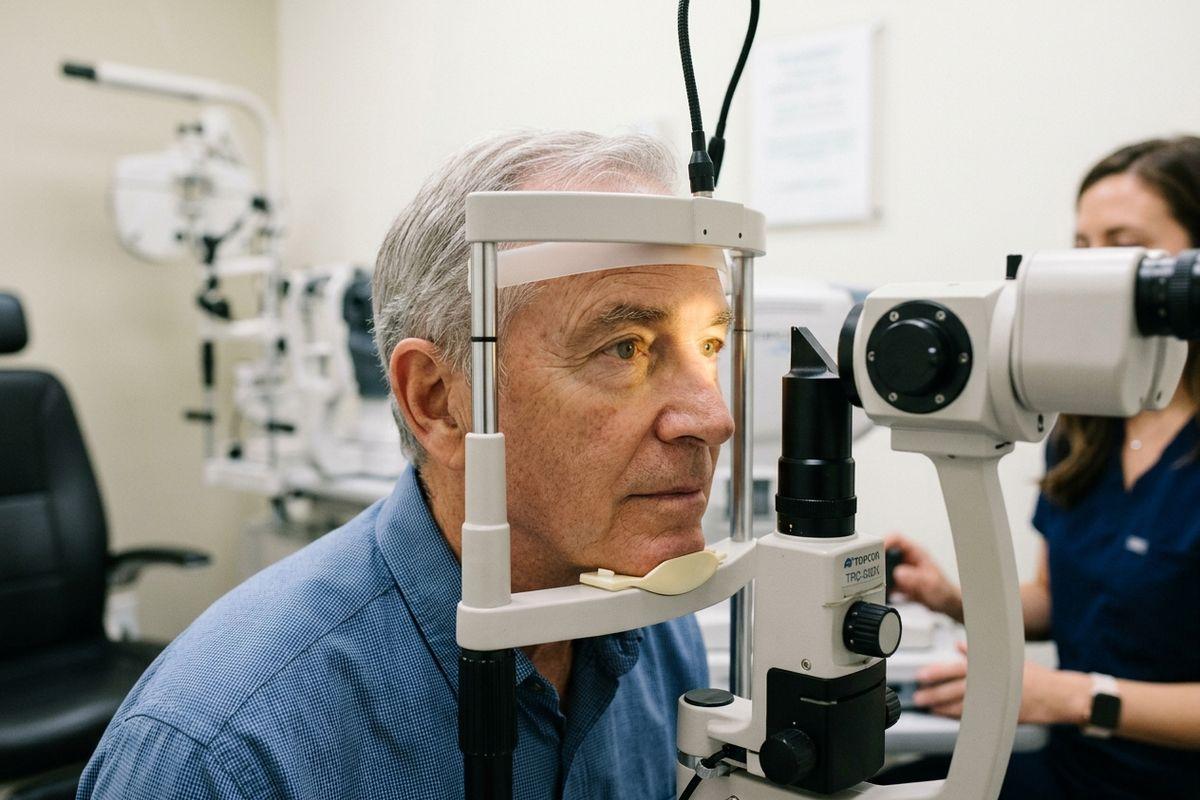
A comprehensive eye exam includes several specific tests designed to detect glaucoma early, often before you notice any vision changes yourself. Your optometrist will typically perform these common checks:
- Eye pressure measurement
- Optic nerve imaging
- Visual field mapping
Age plays a huge role in glaucoma risk, with people over 60 being most at risk, along with family history and certain medical conditions like diabetes. Your optometrist can walk you through your personal risk factors based on your health history.
Testing also helps rule out other reasons for your vision changes, since conditions like cataracts and dry eye mimic glaucoma symptoms. Even if only one eye shows signs of glaucoma, the other eye needs regular monitoring, since changes can develop slowly and without obvious symptoms.
Treatment for Glaucoma
Treatment depends on how much pressure has built up and how the optic nerve looks on imaging. Options range from daily drops to procedures that improve fluid drainage. Options range from daily drops to procedures that improve fluid drainage. Your optometrist may recommend a few different approaches:
- Prescription eye drops
- Laser therapy for drainage
- Surgery for cases with more damage
Daily Habits That Help
Managing glaucoma involves more than just the treatment plan itself. Small daily habits can make a real difference in how well your eyes respond over time. Try to stick to these daily care tips:
- Keep up with follow-up visits
- Take drops as directed
- Report new vision changes right away
Stay Ahead of Vision Changes
The team at Advanced Eyecare Optometry works with families, seniors, and individuals of all ages to track eye health over time and adjust care plans as needs change. Dealing with vision changes can feel overwhelming, but you don’t have to figure it out alone.
If you’ve noticed vision changes in one eye or haven’t had an exam recently and you’re over 60, schedule a visit to check your eye pressure and protect your vision for the years ahead.