

That gritty, burning feeling in your eyes can turn a good day into a frustrating one. When your eyes feel constantly dry or irritated, it’s hard to focus on anything else. Our team at Advanced Eyecare Optometry provides personalized eye care solutions so you can get back to enjoying all your activities.
Meibomian gland dysfunction (MGD) is often a long-term condition, which means it generally doesn’t resolve on its own without a management plan. However, with the right dry eye care, you can find relief and feel comfortable again.
What Are Meibomian Glands and Why Do They Matter?
Your eyelids are lined by tiny oil glands called meibomian glands, which release a special oil that creates a protective layer over your tear film. This oil is important, as it prevents your tears from evaporating too quickly, which helps keep your eyes moist and comfortable.
When these glands function properly, your eyes feel good. If they become blocked, it can lead to a condition called meibomian gland dysfunction (MGD), which is a common source of dry eye symptoms.
Common Signs and Symptoms of MGD
Your eyes have a way of telling you when something isn’t right. You may have MGD if you notice ongoing issues such as:
- A dry, sandy, or burning sensation
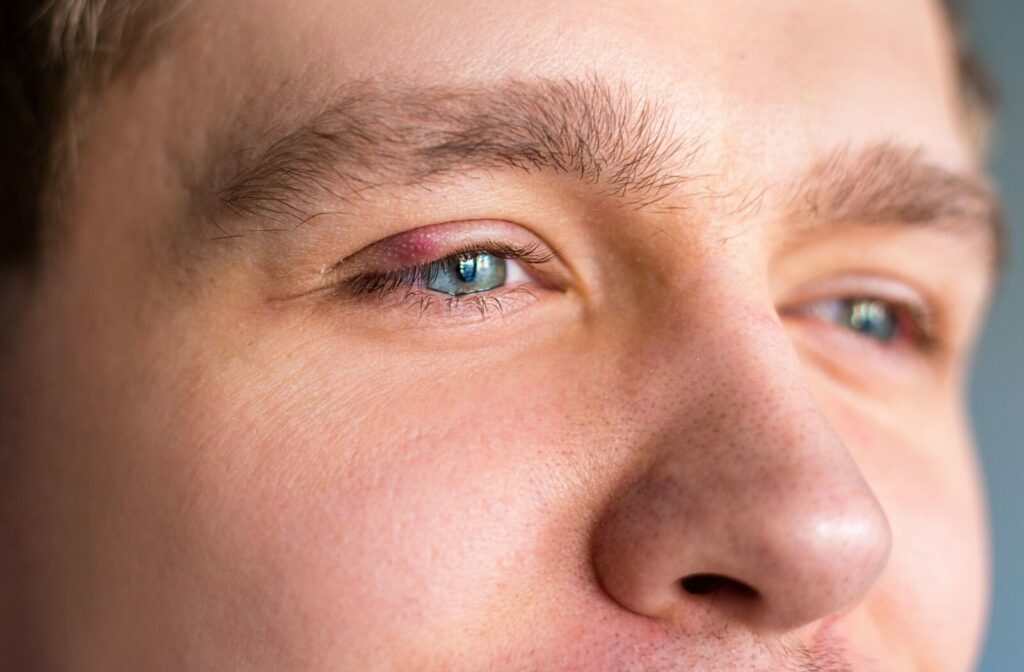
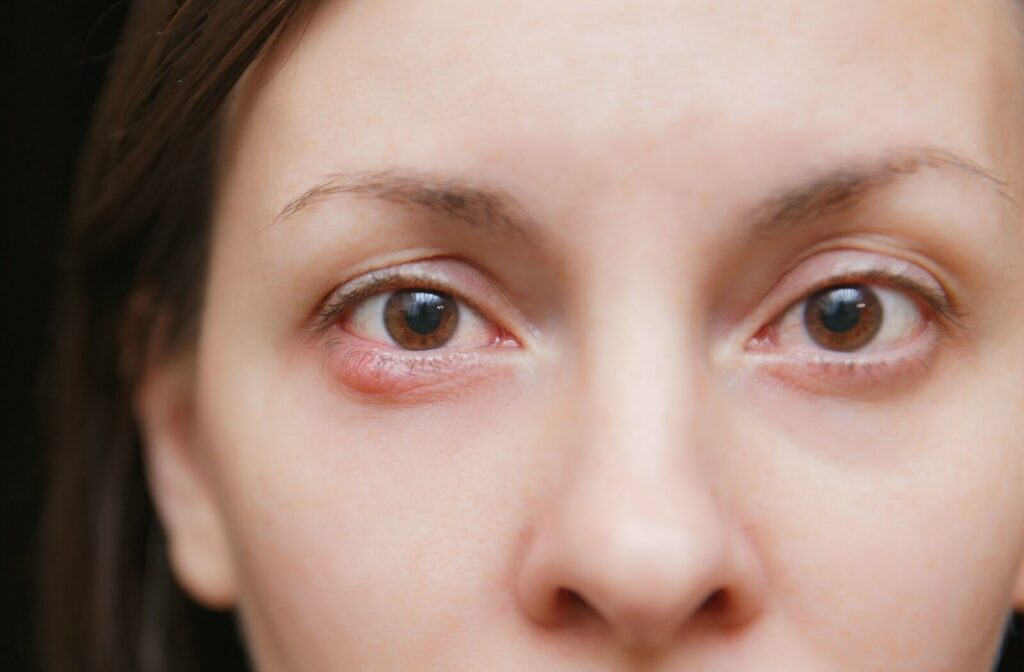
- Red or swollen eyelids
- Vision that shifts from blurry to clear
- Watery eyes that seem to tear up for no reason
- Increased sensitivity to light
Why MGD Happens and What Can Worsen It
Factors That Contribute to Blocked Glands
The glands lining your eyelids can become blocked for several reasons. Changes in your body that come with age can affect gland function. Some medications and health conditions, like rosacea, may also play a role.
Everyday Factors That Worsen Symptoms
Your environment and daily habits can make symptoms feel more intense. Long hours in dry or air-conditioned rooms can worsen discomfort, and extended time in front of screens can reduce blinking frequency, leading to symptoms of digital eye strain.
Can MGD Go Away on Its Own?
Because MGD is an ongoing condition, the symptoms tend to stick around if left unmanaged. Over time, the blockages can become more stubborn, leading to more persistent dry eye discomfort. The glands themselves may even become damaged without proper care.
The good news is that you don’t have to live with the irritation. An effective management plan can help you find longer-lasting relief from your symptoms and support your long-term eye health.
Treatments That Can Help You Find Relief
A combination of at-home habits and professional treatments can address the blockages causing your discomfort. An eye doctor in Chesnut Ridge can help you find a personalized approach that works for you.
At-Home Care for Symptom Relief
Simple daily routines can make a big difference in how your eyes feel. Applying a warm compress to your eyelids, removing makeup daily, and using preservative-free lubricating eye drops for quick relief can all help your eyes feel more comfortable.
In-Office Options for Long-Term Comfort
For more long-term results, your eye doctor may recommend a treatment that directly addresses the blocked glands. One option is OptiLight, a light-based treatment designed to reduce inflammation and improve gland function. Other thermal treatments use gentle heat to melt the trapped oils, which helps restore natural oil flow and improve your eye comfort.
Find Comfort Again with Our Team
MGD can be a challenge, but a personalized plan can help you regain comfort. If you or a family member deals with dry, irritated eyes, our team at Advanced Eyecare Optometry can help you explore solutions for long-term comfort. Book your appointment today.